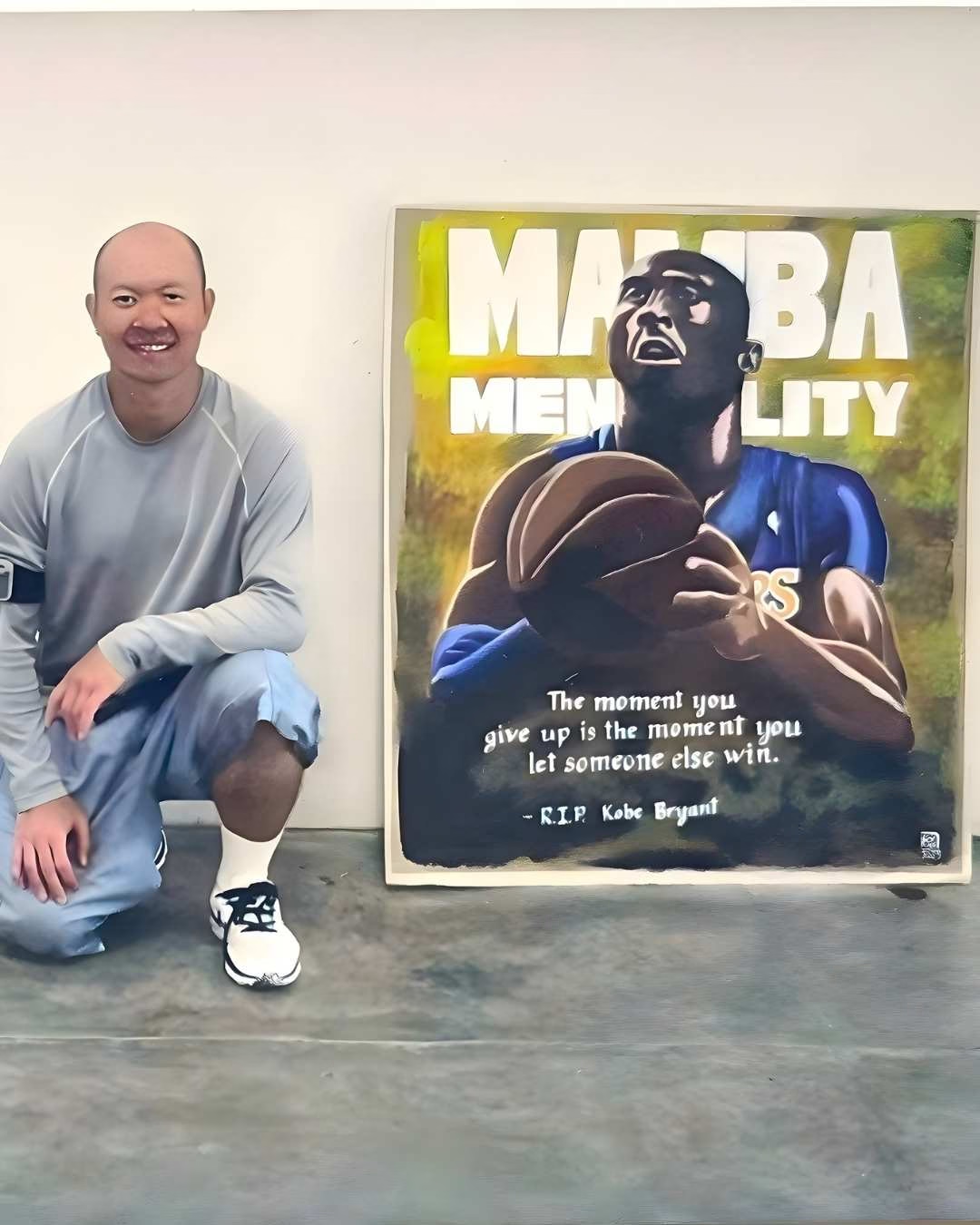
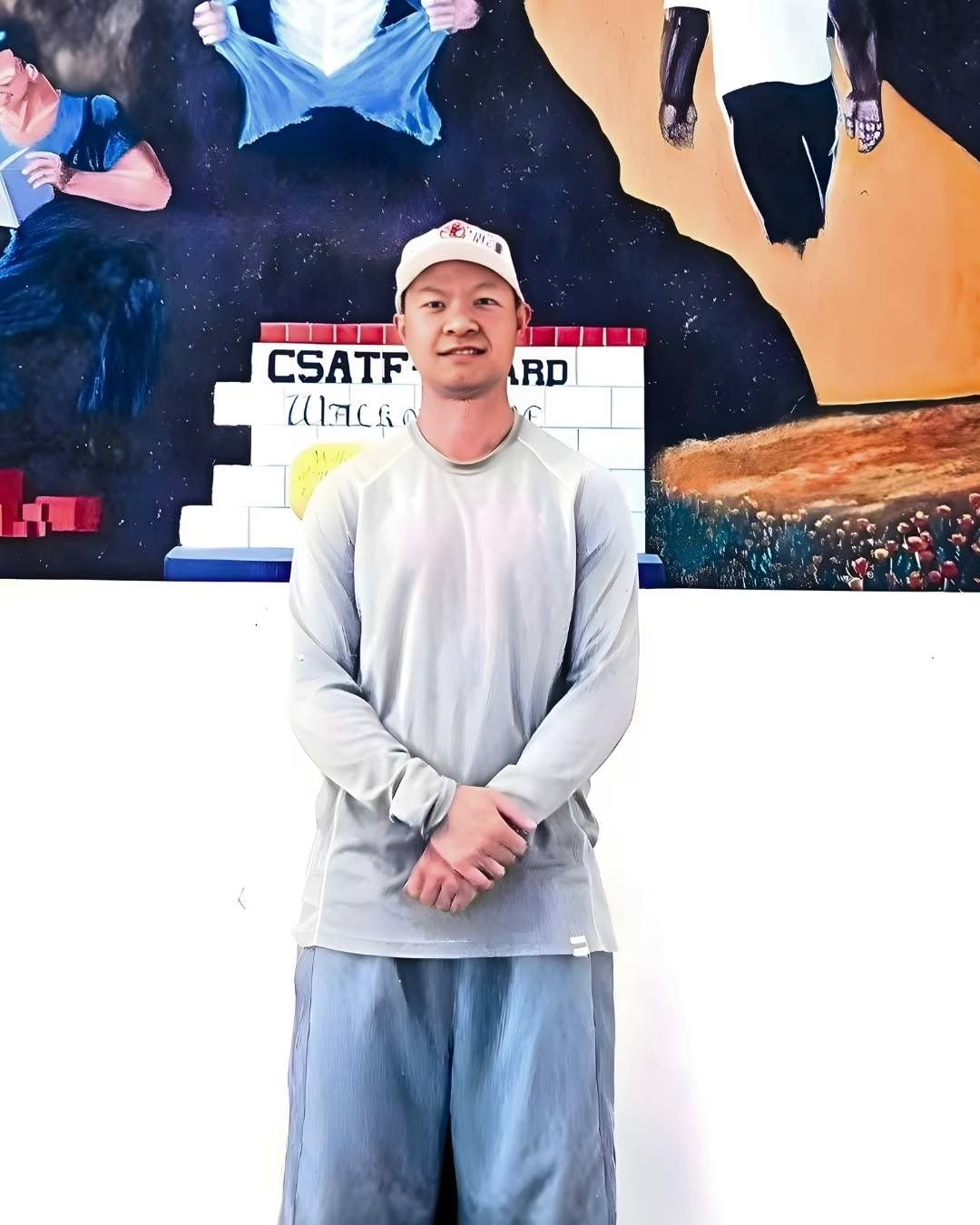
For most of my incarceration, art not only sustained me but it also gave me confidence and self-worth.
When I was in my teens, a friend of mine and I learned to draw almost every day after school. We would watch Bob Ross on PBS and learn to paint. But I fell off. When I was arrested and booked into county jail at 18, my friend was a freshman at a state university.
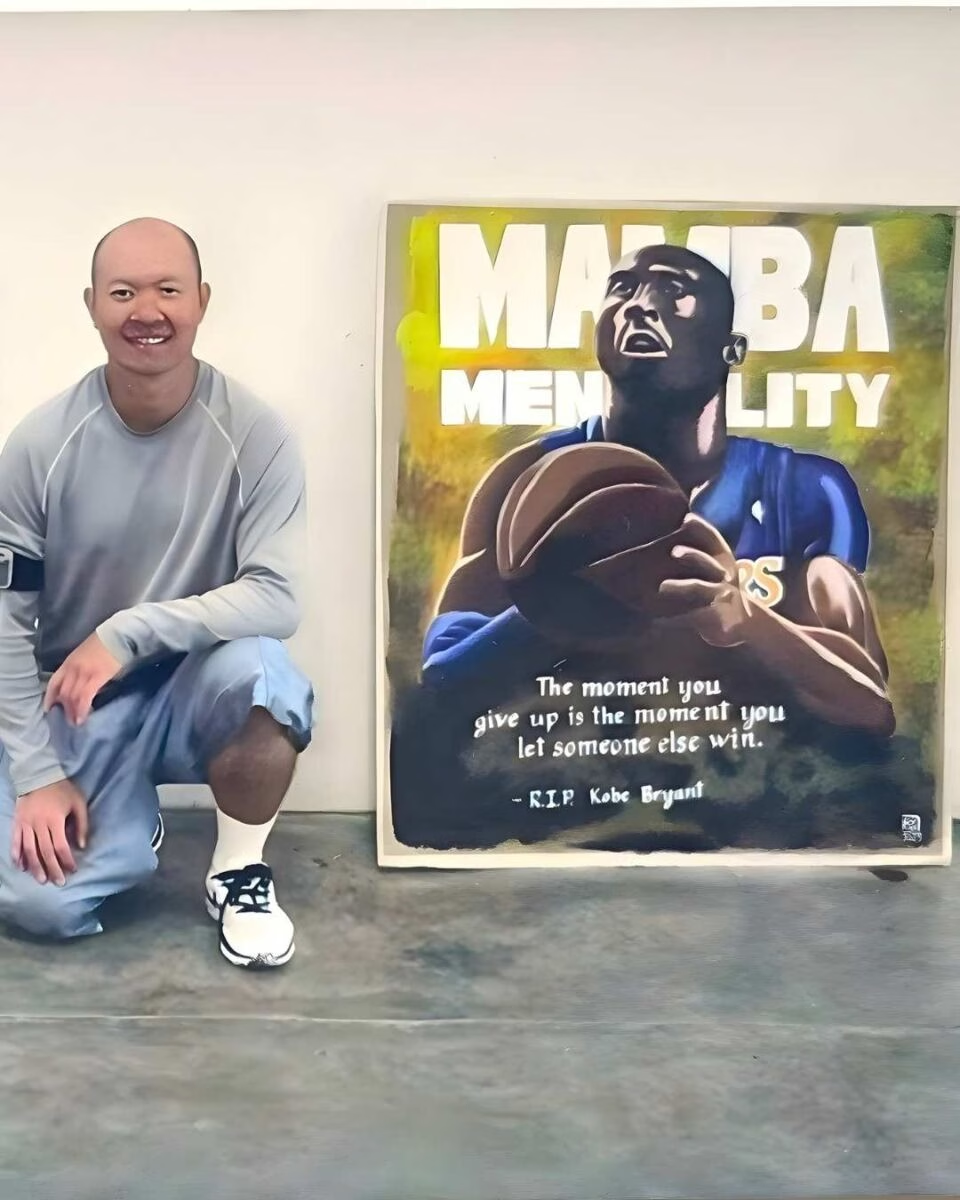
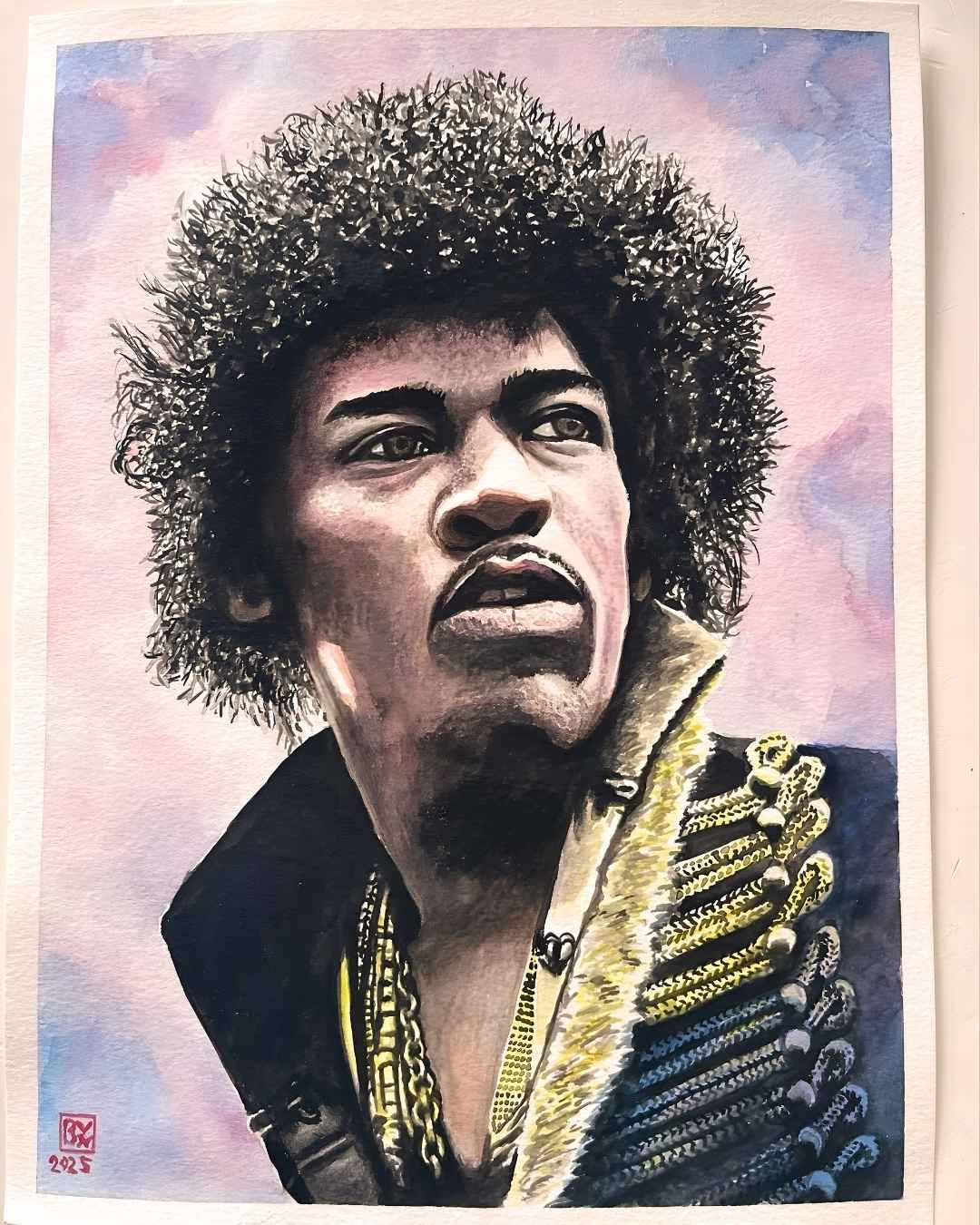
While I was in county jail, all I got was some golf pencils and blank white papers, and I used them to draw roses and portraits to hustle for canteen items. Later on when I came to prison, I used colored pencils and art papers, and in the last three years, I have been painting with acrylics.
People would light up when I show them a drawing or painting of their loved ones. Because of this, I realized the powerful impact of art. As a result, I created an art class to teach my fellow incarcerated people to paint.
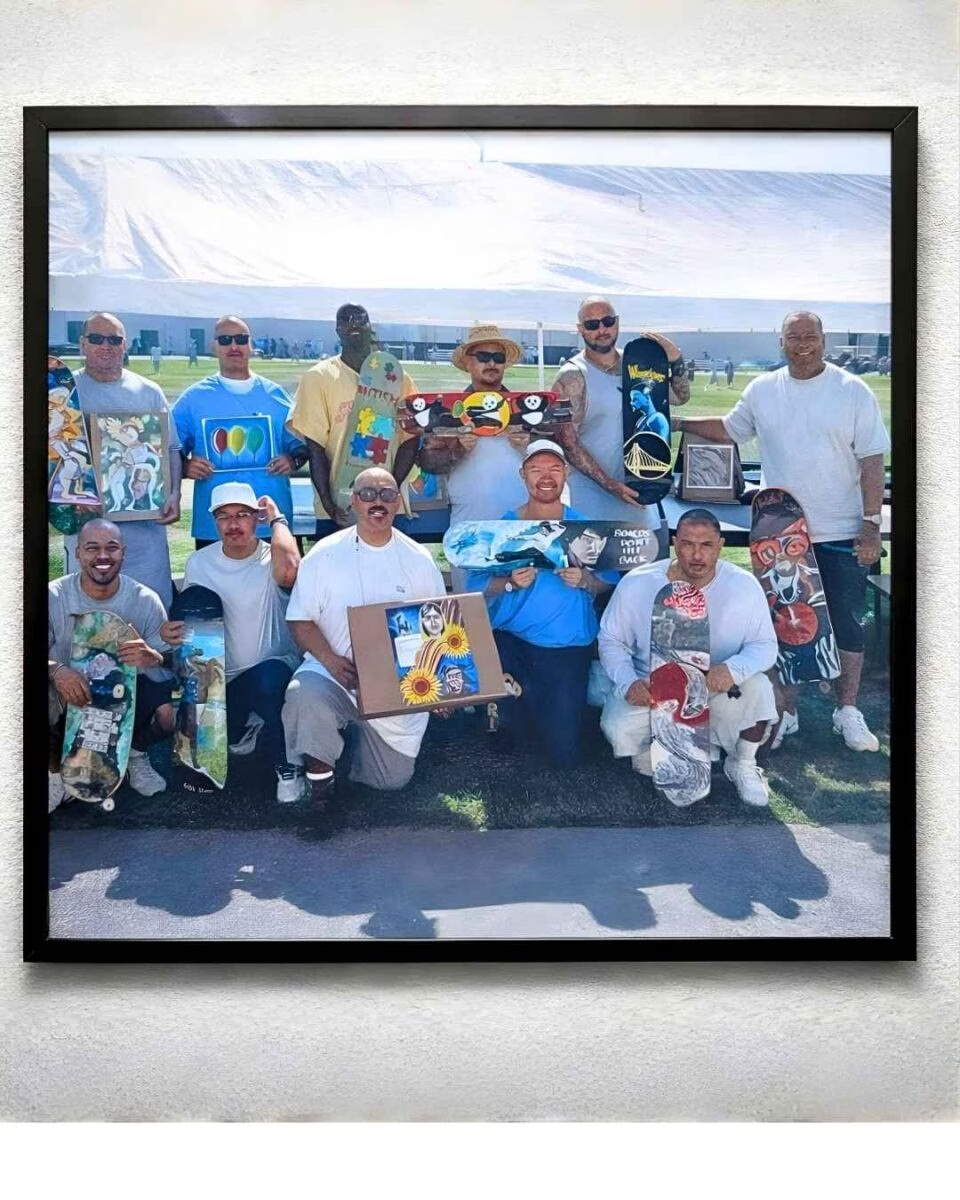
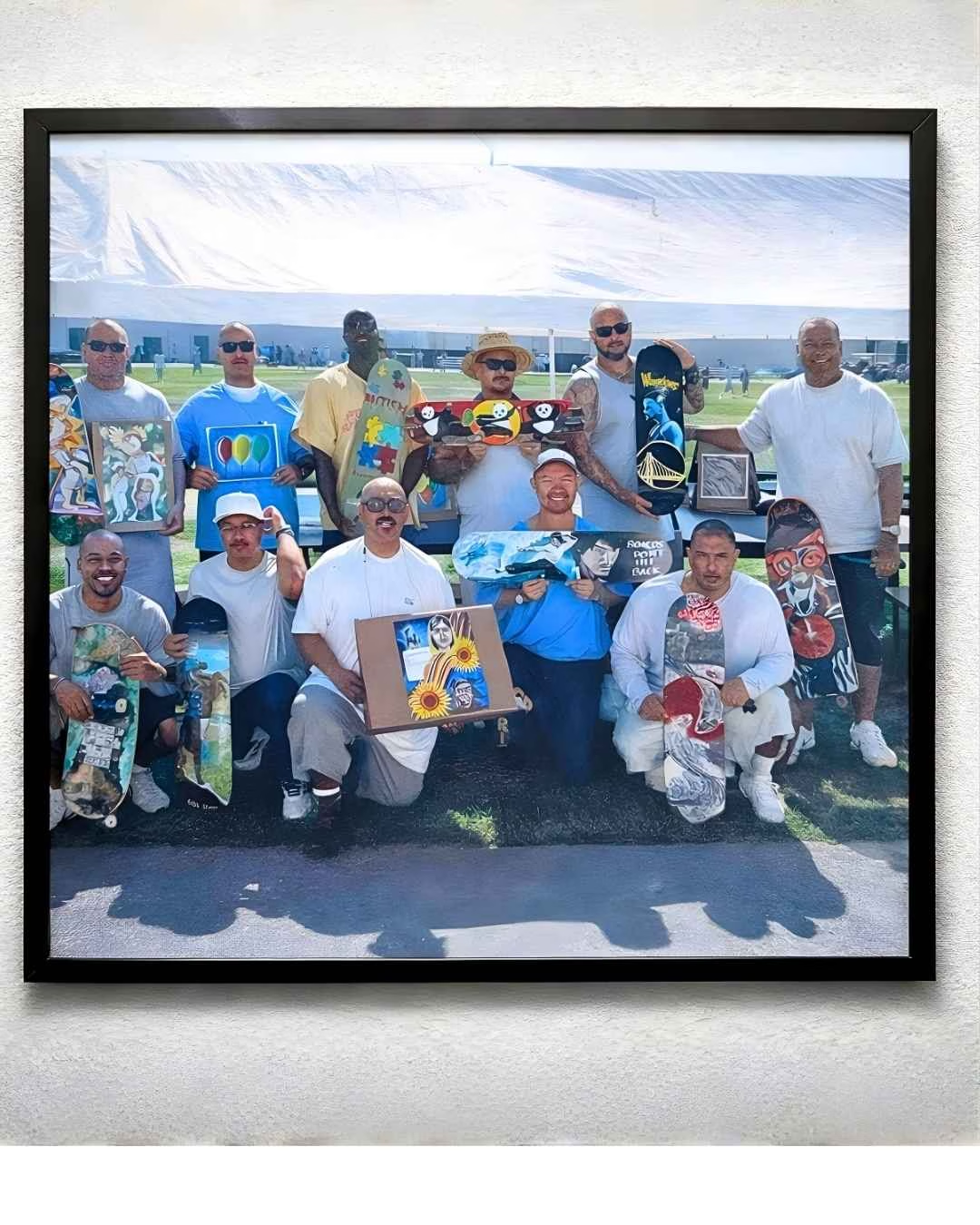
The art class is called Art Heals All, AHA. Its mission is to give back to and be of service to community and society. I am happy to have ten people who joined the class, and as a group we have auctioned our landscape paintings to raise funds for the Texas Flood Relief. We have also painted skateboards for The Fresno Skateboard Salvage project. Some of our paintings are on display in the DRP classrooms at our facility.
What I learned so far from my art journey is that life is better lived with friends. When I stopped learning to paint with my teenage friend, I alienated myself from my community. But the AHA group shows me what it is like to have friends and to be a part of a community. I now realized that my life is more fulfilled when I contribute to my community.
Ms. Kahn, thank you for this opportunity to share my story, and thank you for creating Humans of San Quentin to highlight the humanity of incarcerated people. I believe that your work will create understanding of and improve social justice. I wish you the best.