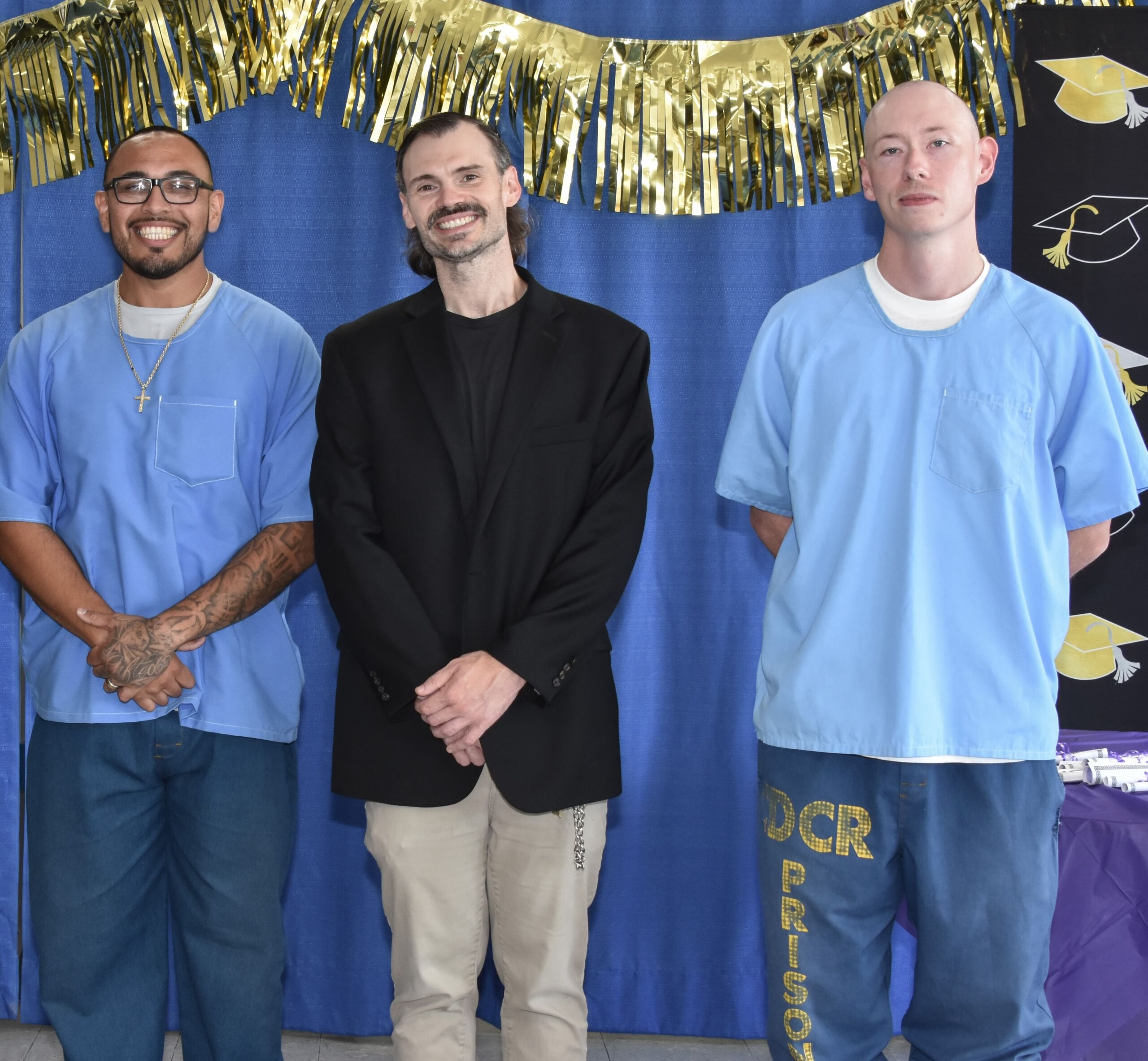
For a large portion of the incarcerated population here at Mule Creek, programming is everything. People would like to believe the rehabilitation process is a one-size-fits-all model and are constantly striving to find the perfect prototype in which their time while incarcerated will result in a positive contributor to society. The truth of the matter is that the rehabilitative process starts from within, and it is up to the individual to find what gives them the feeling of purpose and motivation for the rehabilitation process to be successful.
At Mule Creek, we strive to afford many programming opportunities for the incarcerated population to find what will help them best on their journey. I, personally, work in education. More specifically, I am a college coordinator and work as a liaison between incarcerated individuals and colleges helping them with things such as signing up for college (both in person and correspondence), providing a workspace for individual or group work, ensuring they have the supplies needed, and providing technology to make their college experience as seamless and successful as possible.
I have a wide range of students from first time college attendees to students with multiple degrees. I work on a yard in which we congratulate a student for getting their GED with a college application. One may assume that this opportunity is reserved for students who will one day walk out of the prison walls and will need something to put on their resume to increase their chances of getting hired. However, I have many students who have a life without the possibility of parole sentence. These students have been told by society they will spend the rest of their life in a prison cell, yet they choose to continuously strive to achieve their educational goals. This is because these students have decided on their own that education will be a part of their rehabilitative process. College is completely voluntary, and they could go their entire sentence without taking a single college unit, yet they choose to jump through every hoop necessary to ensure they are not only enrolled, but do well in their college courses.
Being a “programmer” means that you are keeping yourself occupied and lowering your chances of getting into trouble. It gives students something positive to report back to their families. It gives them a feeling of pride and success that keeps them working hard on themselves every single day. Not all incarcerated people find that self-worth in education, and that is ok. There is a large list of ways students can individualize their rehabilitation, including: recreation, jobs, the dog program, leadership committees, peer support programs, self help groups, and more. Some students even look to their involvement with Humans of San Quentin as an important part of their journey.
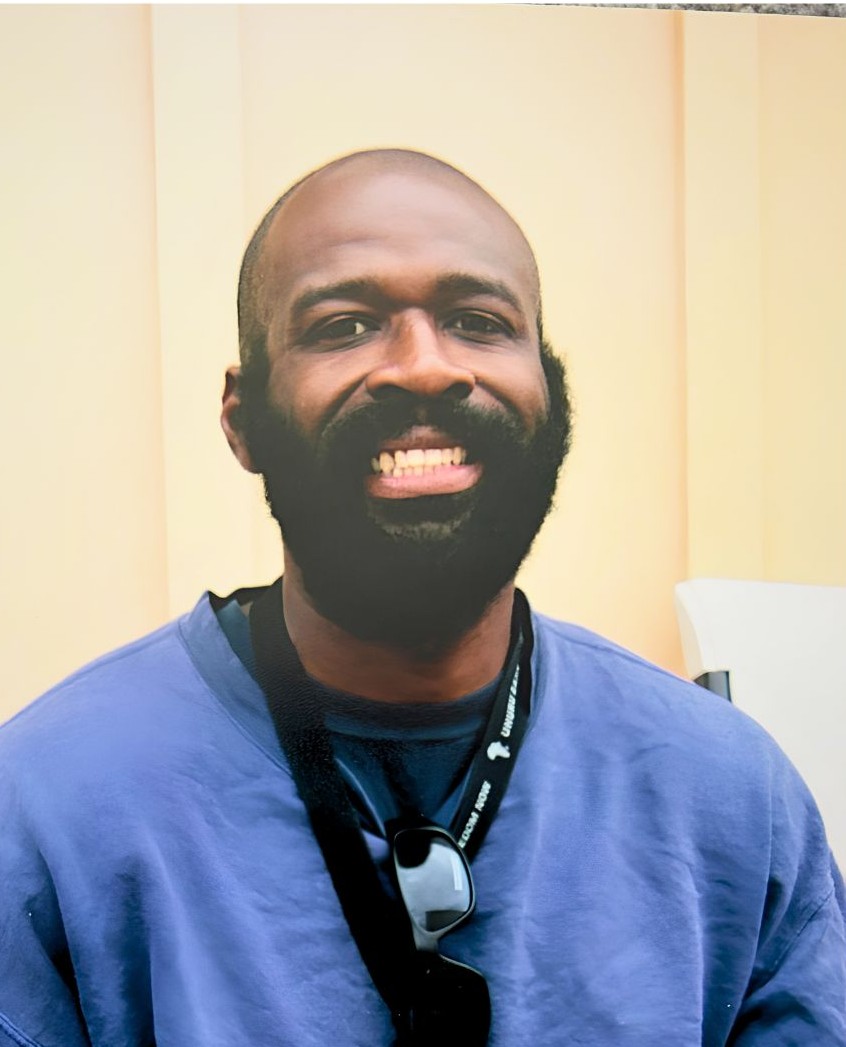
When Humans of San Quentin comes to Mule Creek and they invite their correspondence to my classroom, I enjoy seeing my students that are also involved with their program, but I also enjoy seeing incarcerated people that are not involved in education and have chosen a different path for their journey and have made it their own. It reminds me that every single person here has a story, and they are all striving to be better and give back in the way that they feel they are best equipped to do. These types of programs are not only important, but they are also essential if we expect the individuals on the inside to heal and grow. They are all unique, they are people. They have a past, they have made mistakes, they are on a journey, and they are trying their best.
There is nothing more rewarding than watching this process happen from the inside out.
Nick Springer, College Coordinator Mule Creek State Prison, Ione, California